Common Tree Diseases and Pests in Poway, CA: Why Tree Care Services Matter
Tree diseases and pests in Poway, CA, pose serious risks to residential and native trees, and knowing what to look for can help homeowners act before serious damage occurs. Poway sits inland from the San Diego coast at the base of chaparral-covered hills, where hot, dry summers and low annual rainfall put trees under consistent stress, making them far more vulnerable to the pests and diseases spreading across San Diego County.
Poway's Climate Makes Trees More Vulnerable
Drought stress is the single biggest reason Poway trees succumb to pests and disease. The region receives about 10 inches of rainfall per year, mostly in winter. In Poway's inland setting, summer temperatures regularly push past 90°F. A stressed tree cannot defend itself the way a healthy one can. Healthy trees resist beetles by pushing them out with resin, but drought-stressed trees produce less of it. That vulnerability opens the door to several serious threats active right now in the county.
The Most Common Tree Threats in Poway, CA
Polyphagous Shot Hole Borer (PSHB)
The polyphagous shot hole borer is one of the most destructive invasive threats facing Southern California trees. These tiny beetles bore into trees and introduce a fungus that causes Fusarium dieback, a complex responsible for the death of tens of thousands of urban and riparian trees across the region.
Signs include tiny round holes in the bark, wet or stained patches on the trunk, and branch dieback progressing from the top down. The beetles feed and reproduce in about 60 tree species, including coast live oak, California sycamore, and avocado. Native oaks near the Blue Sky Ecological Reserve and riparian trees along Poway's creek corridors face elevated risk. No direct controls are known to stop beetle attack, but proactive tree care services from a certified arborist remain the most reliable way to reduce spread and manage risk.
Goldspotted Oak Borer (GSOB)
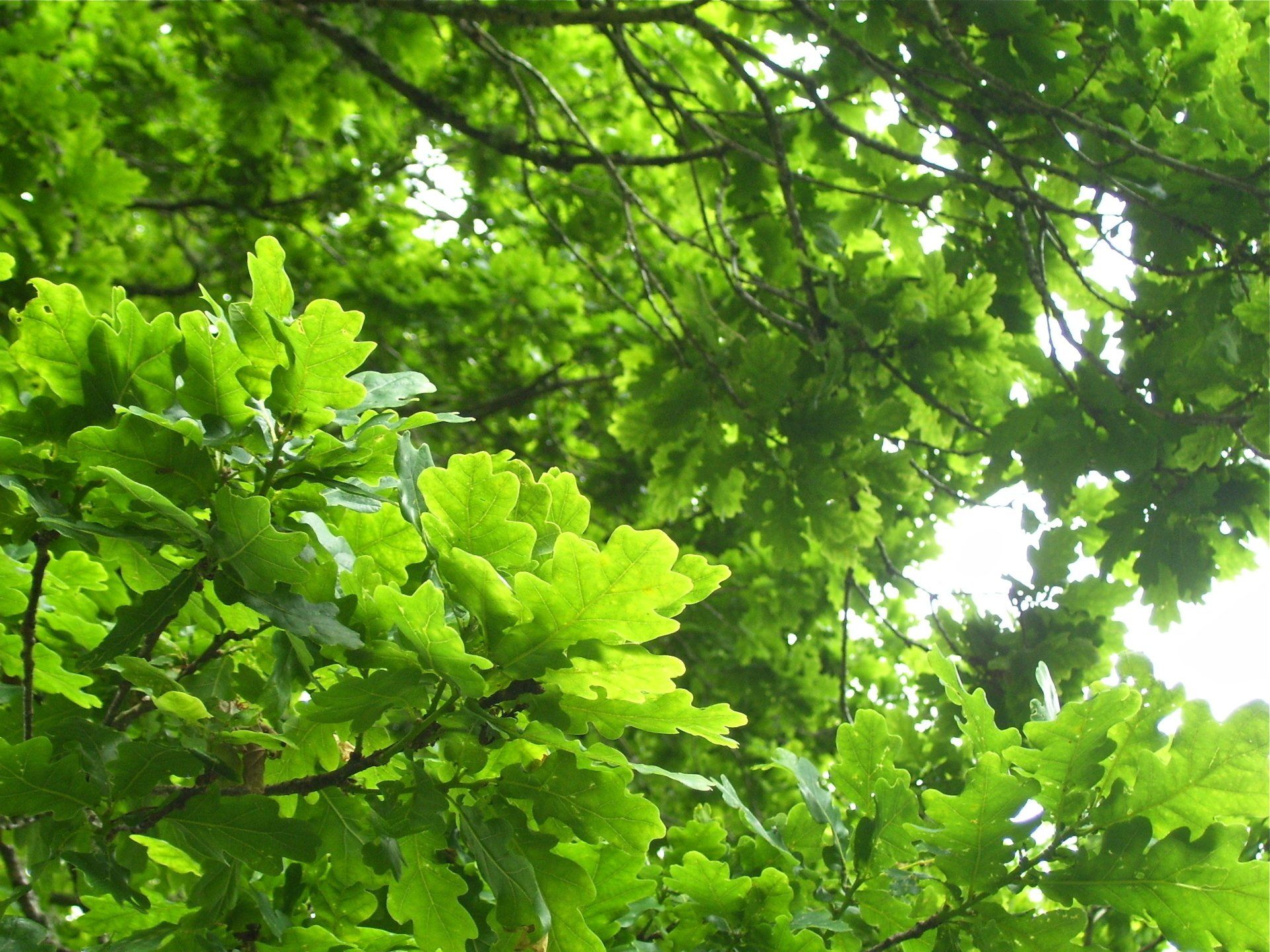
The goldspotted oak borer is a direct threat to the coast live oaks and California black oaks that define Poway's hillside landscapes. First discovered in San Diego in 2004, GSOB has caused extensive mass mortality among native oaks. Larvae feed beneath the bark, destroying the tissue that transports water and nutrients.
Look for D-shaped exit holes, red or brown staining on the outer wood, and crown thinning in the upper canopy. Drought-stricken trees with lowered immunity face the greatest risk, particularly mature oaks larger than 18 inches in diameter. Engaging tree care services at the first sign of activity gives property owners the best chance of protecting surrounding trees.
Bark Beetles on Pine Trees
Bark beetles are a widespread threat to Poway's residential pine trees, including Monterey pine and Aleppo pine. These beetles bore beneath the bark, disrupting water and nutrient transport. Early signs include needles turning from yellow to reddish brown, along with pitch tubes or boring dust on the trunk. Once infestation is established, the tree usually cannot recover and may require removal for safety.
Powdery Mildew on Native Oaks
Powdery mildew is a fungal disease affecting native oaks during the transition between cool nights and warm days. It appears as a white, powdery coating on leaves and new shoots. Summer irrigation encourages tender new growth that is highly susceptible to infection. Powdery mildew rarely kills a tree outright but can cause stunting, discoloration, and dieback, and it weakens defenses against other threats.
A Seasonal Care Calendar for Poway Trees
Staying ahead of pest and disease pressure requires year-round attention.
Winter (December to February): Inspect for borer activity, prune out mildew-affected growth, and schedule arborist consultations before the growing season.
Spring (March to May): Monitor new leaf growth. Early pruning supports air circulation and reduces mildew risk. Avoid pruning oaks during peak beetle flight periods unless necessary.
Summer (June to September): Deep, infrequent watering reduces drought stress. Avoid excessive summer irrigation of native oaks.
Fall (October to November): Ideal for establishing new trees before the dry season. Inspect pines for pitch tubes and needle color changes before beetles overwinter.
Why Professional Diagnosis Matters
Powdery mildew, drought stress, and bark beetle damage can all produce yellowing or browning foliage, but each requires a different response. Misidentifying the problem wastes time and money and often leads to permanent tree loss. When caught early, systemic trunk-injection treatments may protect lightly infested trees. Professional tree care services can also assess structural risk. Poway's hillside terrain, Santa Ana wind exposure, and proximity to wildland-urban interface zones mean a diseased or dying tree can quickly become a safety hazard.
Preventive pruning and regular inspections cost far less than emergency removal. See our tree trimming and shaping services to learn how proper pruning supports long-term tree health.
How Do I Know If My Tree Has Pests or Disease?
Look for visible holes in the bark, sap oozing or staining on the trunk, foliage yellowing or browning outside normal seasonal patterns, white powder on leaves, and thinning in the upper canopy. Any of these signs warrants a professional inspection.
Can a Diseased Tree Always Be Saved?
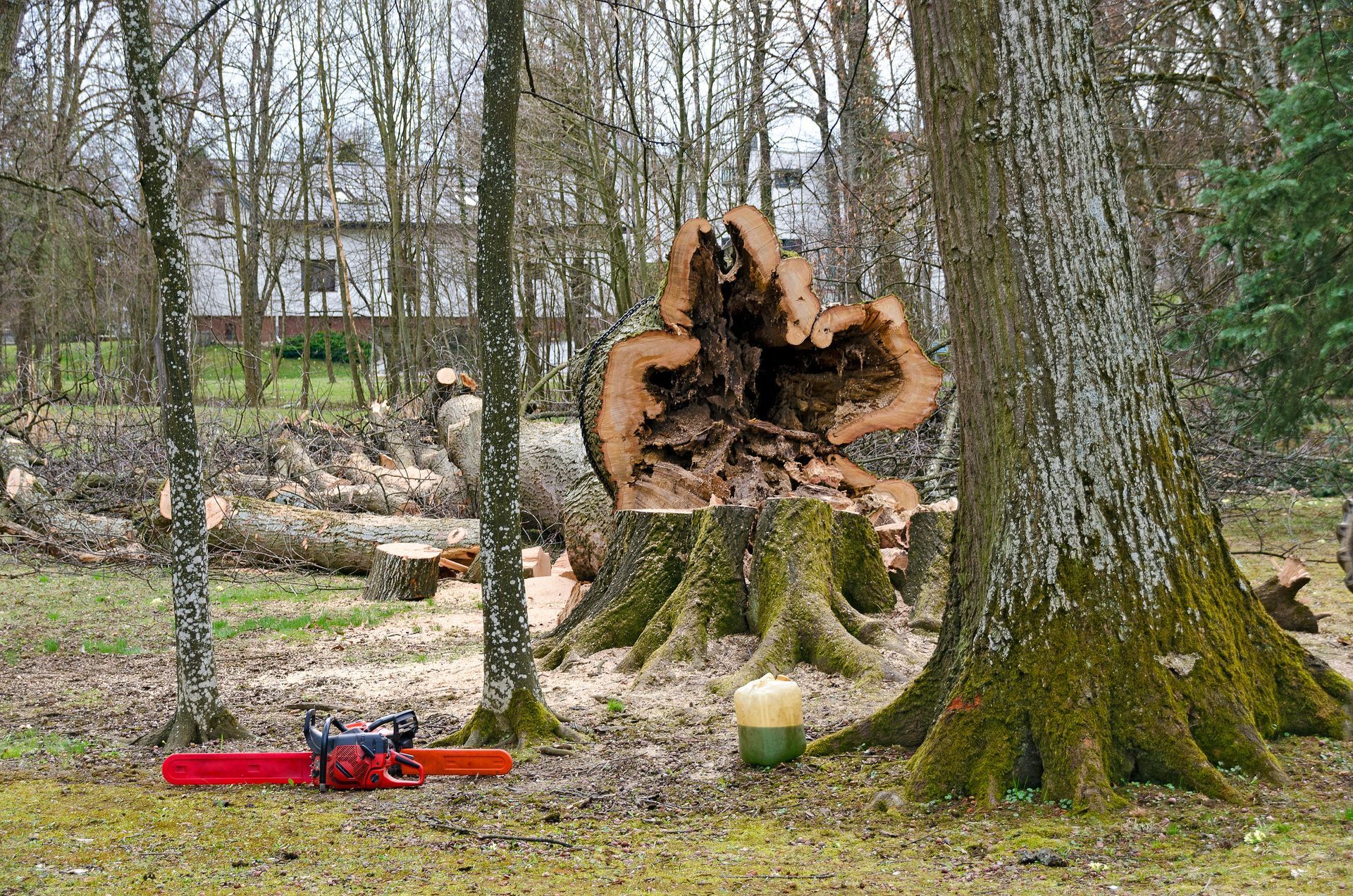
Not always. Outcome depends on the pest or disease involved, how early it is detected, and the tree's overall health. Early-stage bark beetle pressure or powdery mildew can often be managed with professional intervention. Trees severely infested with PSHB or GSOB may require removal to protect surrounding trees. A certified arborist can assess each situation individually.
Protect Your Poway Trees with Expert Help
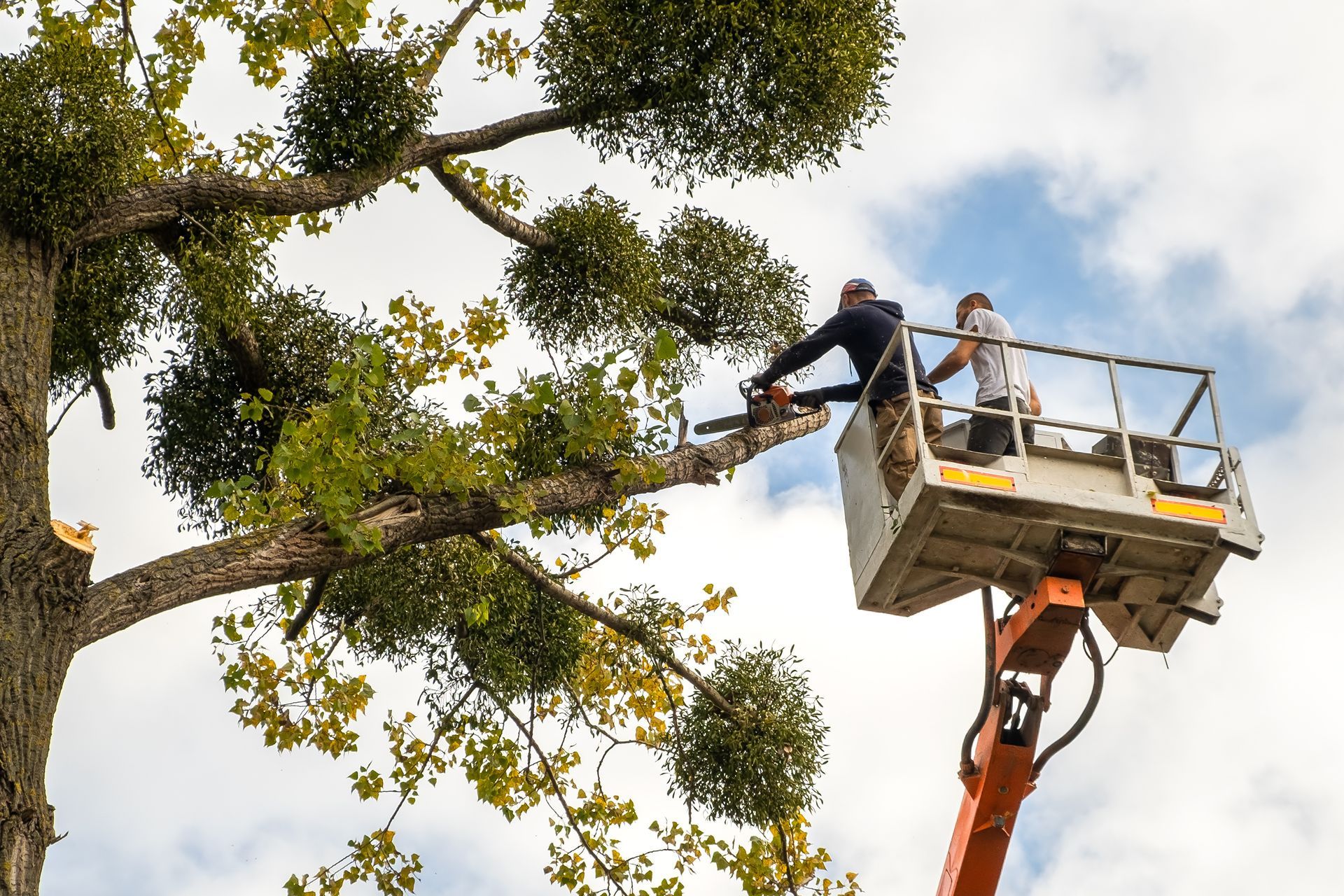
Artistic Arbor Gardens Inc., a family-owned, women-operated company serving Poway and all of San Diego County since 1985, offers certified arborist inspections, expert pruning, and professional tree removal. The team provides free in-person estimates and is available 24 hours a day for emergencies.
Call
(619) 440-8911 to request your free inspection, or
contact us online to schedule a visit. Find us on Google at
Artistic Arbor Gardens Inc. to read reviews and get directions.